
Battery storage
A pillar of a clean and efficient energy system
The expansion of renewable energy is progressing well—in Germany, it already accounts for about 60% of electricity consumption. In addition to new generation facilities, however, the second half of the energy transition is focusing on a crucial addition: battery storage.
Battery storage systems temporarily store energy when generation exceeds demand and the grid is at risk of becoming overloaded—for example, around midday during peaks in solar power production. As generation declines over the course of the day while demand rises, they feed the electricity back into the grid.
Thus, battery storage is a key pillar for tomorrow’s nationwide green power supply. At the same time, it ensures that excess energy is not wasted and that the power grid is stabilized.
Stabilizing the power grid, reducing costs
To achieve a stable and clean energy system, we need a combination of short-, medium-, and long-term battery storage systems. These can be connected directly to generation facilities as co-located storage or deployed as standalone storage where the public power grid is under particularly heavy strain.
From a macroeconomic perspective, storage systems offer several advantages. They balance out sharp fluctuations in electricity prices, increase the use of green electricity, and simultaneously reduce the need for grid expansion.
Already today—and even more so in the future—we need battery storage systems to stabilize our energy system.
Managing Solar Power Peaks
The power generation profile of a solar system resembles an S-curve. It peaks around noon, when the sun is at its strongest. The solar power generated in excess of demand during this time can be stored and fed back into the grid later in the day when generation declines.

Storage and Solar Farms
Battery storage as a complement to solar farms
We now design our new solar power systems to include battery storage as standard. We are gradually retrofitting existing systems.
The ratio of the power plant’s rated output to the storage capacity varies and depends, among other things, on whether the storage systems serve the solar park exclusively as temporary storage or are also permitted to draw electricity from the grid to relieve it.
Even today, with the current generation of storage systems, we can temporarily store solar power for about two hours—and this trend is on the rise.
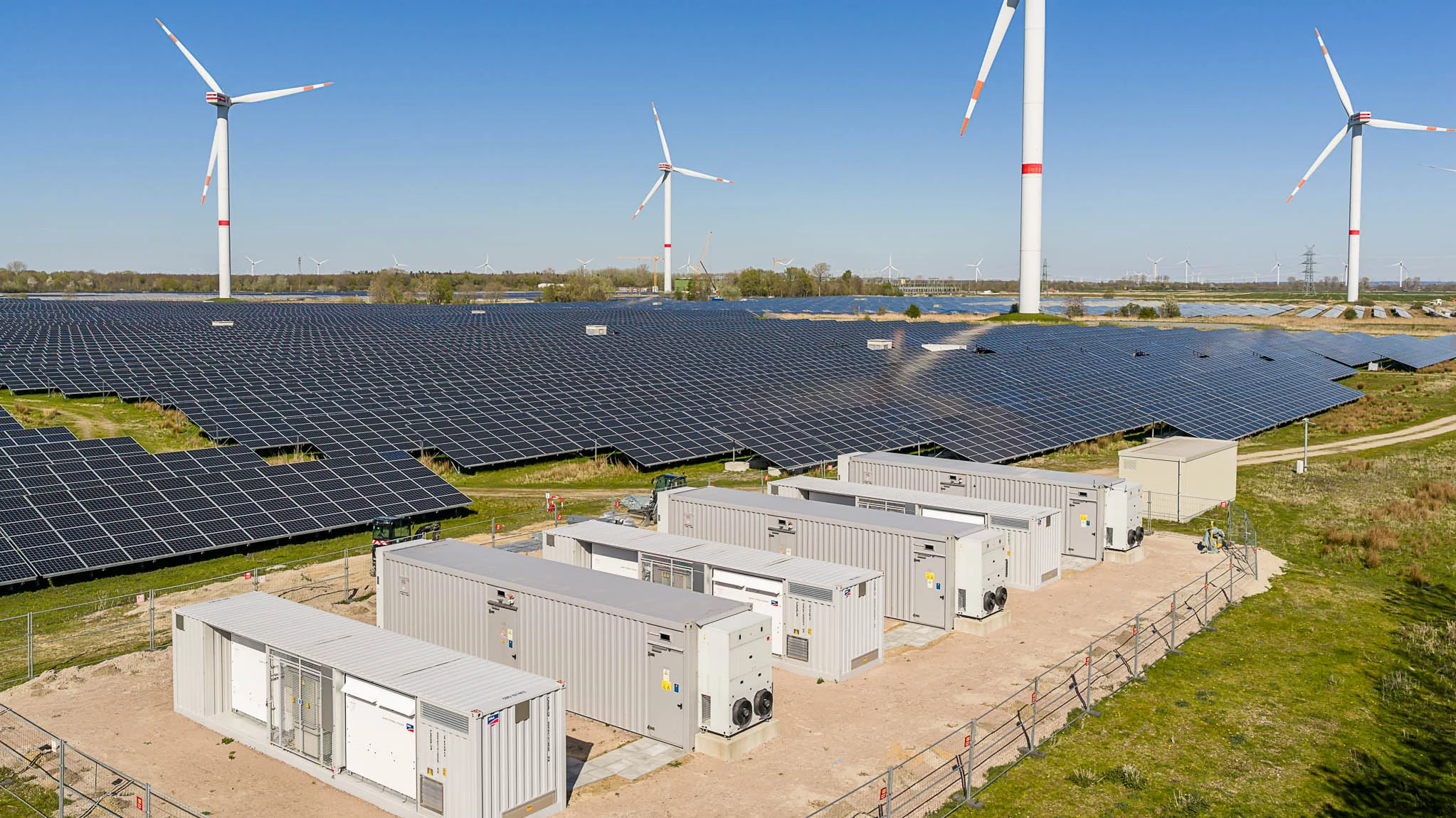
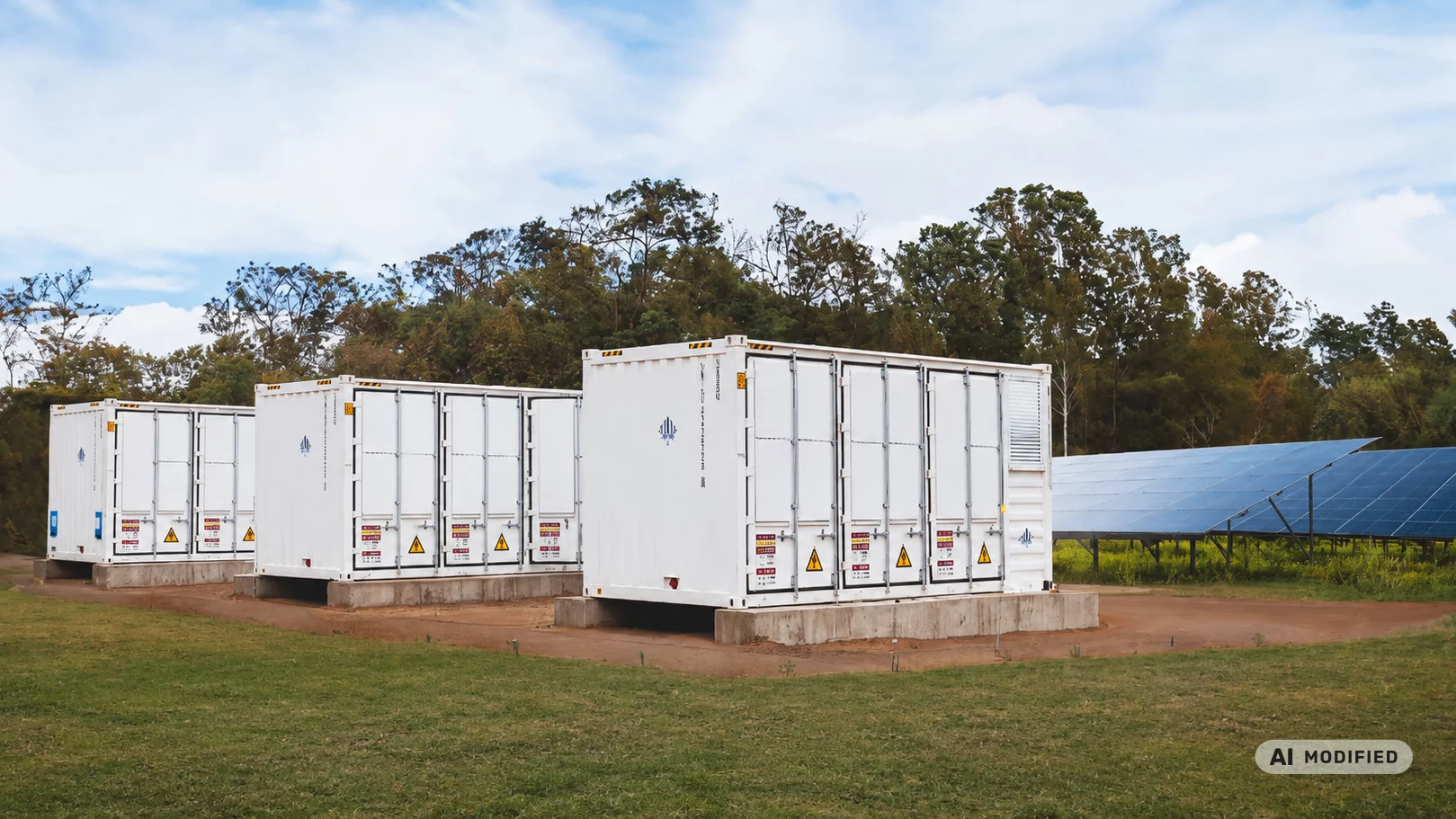
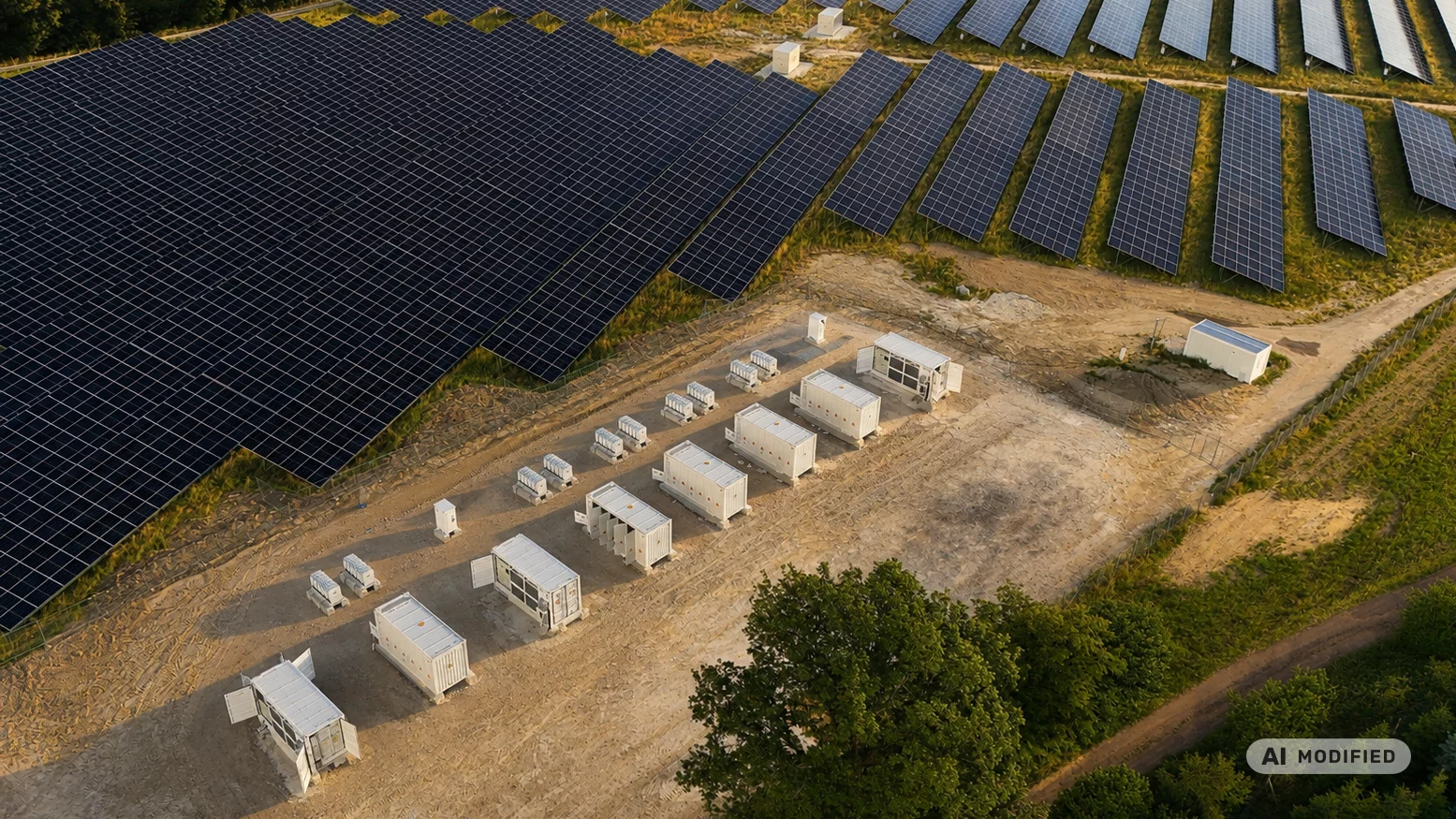
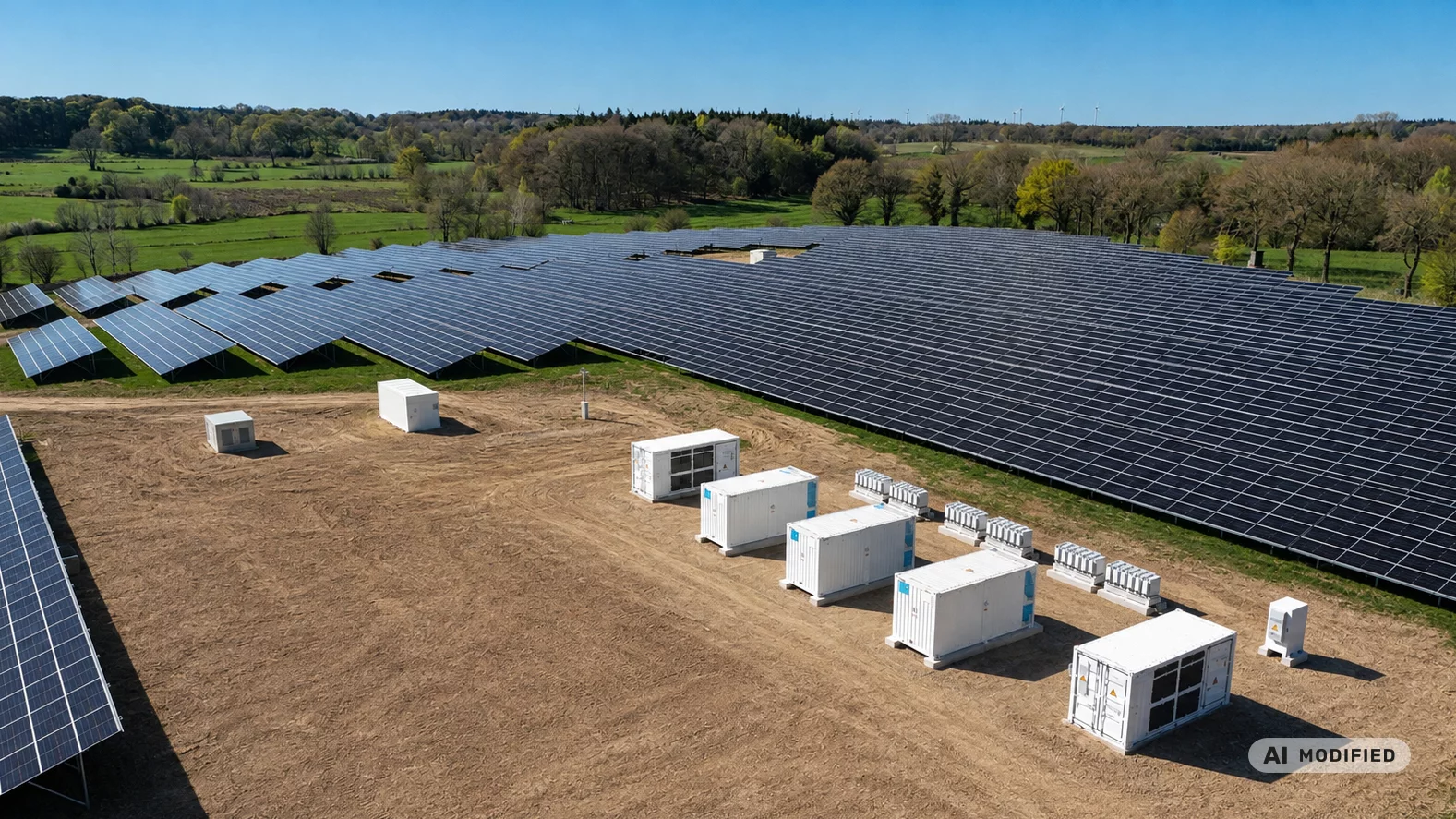
Battery storage systems are installed as efficiently as possible: as modular containers, they can be flexibly integrated into the layout of a solar park with minimal effort.
Nevertheless, the combination of renewable energy systems with storage is still relatively new. Requirements such as minimum distances from residential areas, fire safety concepts, or privacy measures must therefore be incorporated into the planning of ground-mounted solar systems at an early stage.
At ENERPARC, a dedicated department with interdisciplinary expertise handles the topic of battery storage.
In a colocation facility
Battery storage and the solar farm work together
After being converted to alternating current and stepped up to medium voltage, the solar power generated is fed into the public grid via the transfer station. The battery storage system temporarily stores the energy from the solar park.
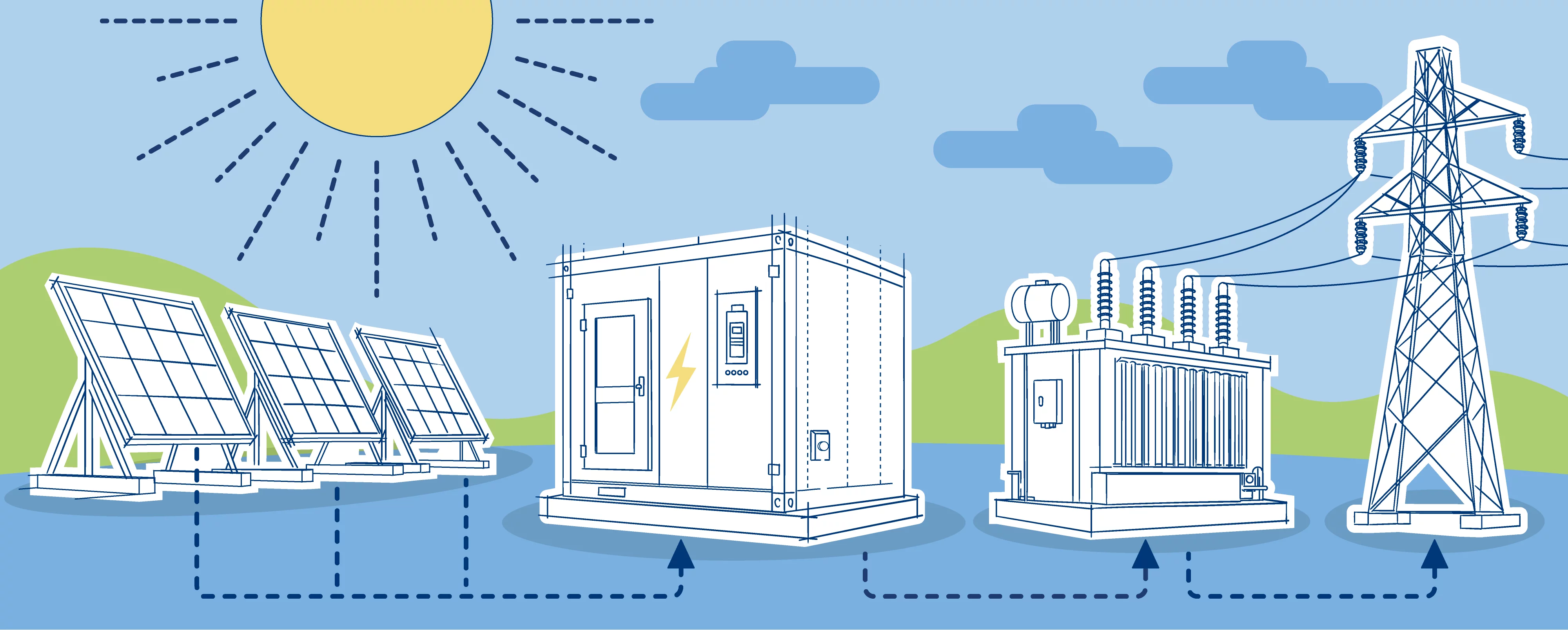
Our selection of battery storage systems
Tailored specifically to the solar farm
Many factors go into the planning of a solar power system—for example, the size of the site, its characteristics, the local flora and fauna, and the available grid capacity. This makes each of our projects unique.
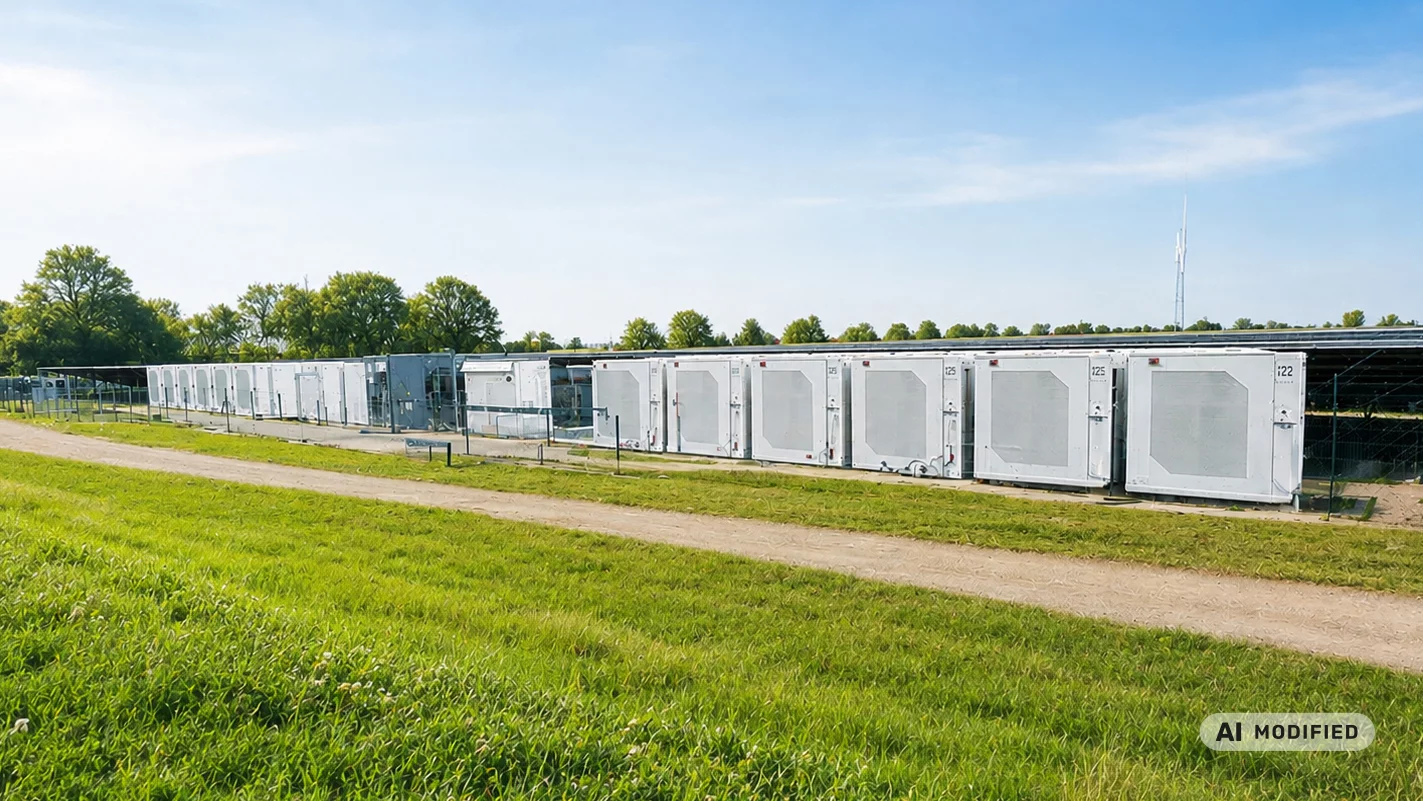
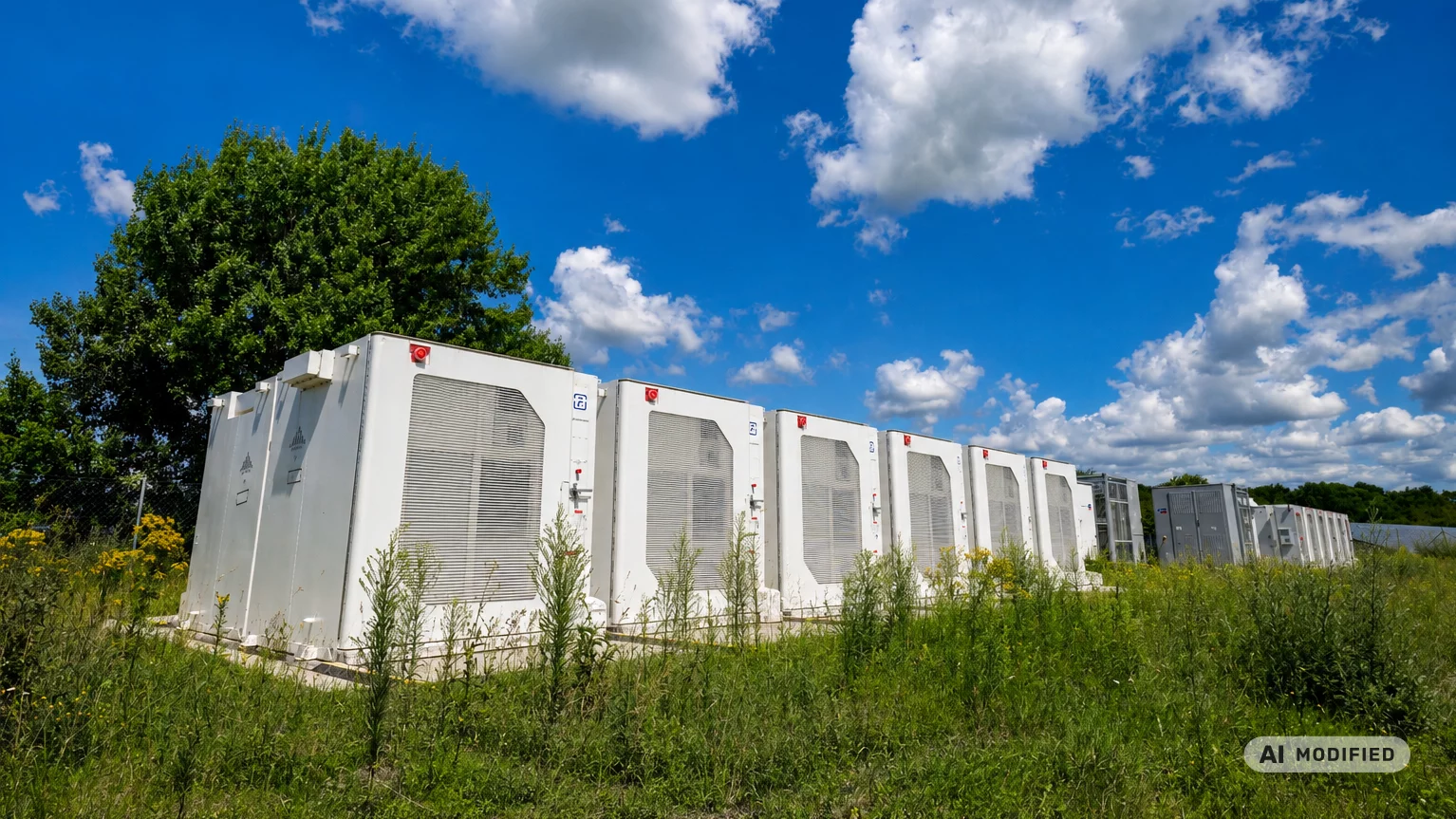
The same applies to selecting the right battery storage system. Here is a selection of our projects:
Advantages of Battery Storage Systems
An Overview of Battery Storage
- Battery storage systems enhance the reliability of the power supply by balancing out fluctuations from renewable energy sources.
- Battery storage systems provide greater independence by extending the time during which self-generated electricity can be used.
- Battery storage systems lower costs by reducing the need for grid expansion, balancing out fluctuations in electricity prices, and making it easier to utilize the solar power generated.
- Battery storage makes an important contribution to achieving our climate goals by reducing the need for fossil fuel-fired reserve power plants.